what is the ideal estrogen level for ivf Fertility window ovulation clearblue hormone estrogen ov
Are you going through menopause? Do you sometimes wonder about the changes happening in your body? Understanding your hormone levels during this time can help you better navigate through the different stages of menopause. In this post, we will discuss the LH level in menopause, shedding light on this important hormone and its role in women’s health.
What is LH?
 LH, which stands for luteinizing hormone, is a crucial hormone that plays a significant role in women’s reproductive health. It is produced and released by the pituitary gland in the brain. LH plays a key role in regulating the menstrual cycle and the production of estrogen and progesterone.
During ovulation, LH levels rise, triggering the release of mature eggs from the ovaries. Once the egg is released, it can be fertilized by sperm, leading to pregnancy. If fertilization doesn’t occur, the LH levels decrease, and menstruation begins.
The Relationship Between LH and Menopause
As women approach menopause, their hormone levels naturally fluctuate. During perimenopause, the transitional period before menopause, women may experience irregular menstrual cycles and variations in hormone levels, including LH. These fluctuations can cause symptoms such as hot flashes, mood swings, and sleep disturbances.
As menopause sets in, the ovaries produce fewer hormones, including LH. This decrease in LH levels is a natural part of the aging process for women. It is important to note that while LH levels decrease, other hormones, such as follicle-stimulating hormone (FSH), may increase.
Managing LH Levels in Menopause
 While it is not possible to directly control LH levels during menopause, there are steps you can take to manage the symptoms associated with hormonal changes. Here are some strategies that may help:
1. Stay active and exercise regularly: Physical activity can help alleviate menopausal symptoms and contribute to overall well-being.
2. Eat a balanced diet: A diet rich in fruits, vegetables, whole grains, and lean proteins can provide essential nutrients to support hormonal balance.
3. Manage stress: Stress can worsen menopausal symptoms. Exploring stress management techniques like meditation, deep breathing exercises, or yoga can be beneficial.
4. Consider hormone replacement therapy (HRT): HRT can help manage symptoms by supplementing declining hormone levels. Consult with your healthcare provider to understand the benefits and potential risks.
5. Seek support: Menopause can be a challenging time, and talking to friends, family, or joining support groups can provide emotional support and valuable insights.
Remember, each woman’s experience with menopause is unique, and it’s essential to consult with your healthcare provider for personalized advice and guidance.
In conclusion, LH levels play a significant role in menopause, and understanding their fluctuations can help women navigate this transformative stage of life with more ease. By adopting healthy lifestyle practices and seeking support, you can manage the symptoms associated with changing hormone levels and embrace this new chapter with confidence.
If you are searching about Pin on Accelerators you’ve visit to the right place. We have 5 Pictures about Pin on Accelerators like What Is Lh Level In Menopause - MenopauseTalk.net, Clearblue Advanced Fertility Monitor Pregnancy Kit with 20 Ovulation and also Pin on Accelerators. Read more:
Pin On Accelerators
 www.pinterest.comBut A Moment: E2 Level
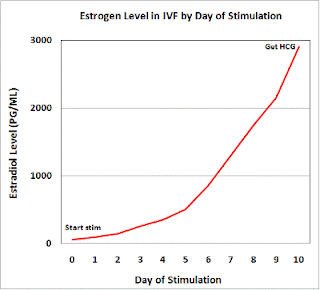 butamoment-breath.blogspot.comlevels e2 ivf estrogen level 2010 moment but hoping smith january baby
Clearblue Advanced Fertility Monitor Pregnancy Kit With 20 Ovulation
ebay.chfertility window ovulation clearblue hormone estrogen ov
IVF Outcome According To The Serum Anti-Müllerian Hormone (AMH) Level
 www.researchgate.netWhat Is Lh Level In Menopause - MenopauseTalk.net
www.menopausetalk.netBut a moment: e2 level. Ivf outcome according to the serum anti-müllerian hormone (amh) level. Pin on accelerators